
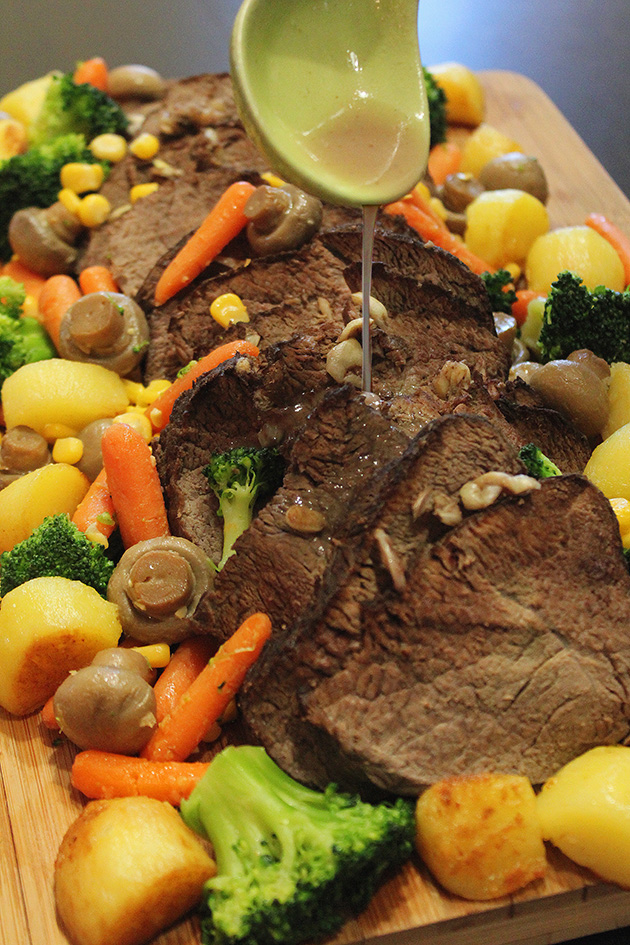
This meat cuts guide could be a help for you to find the best match for the recipe you want to cook. Along with suggestions for the cooking technique to help you serve on your table the best meals.
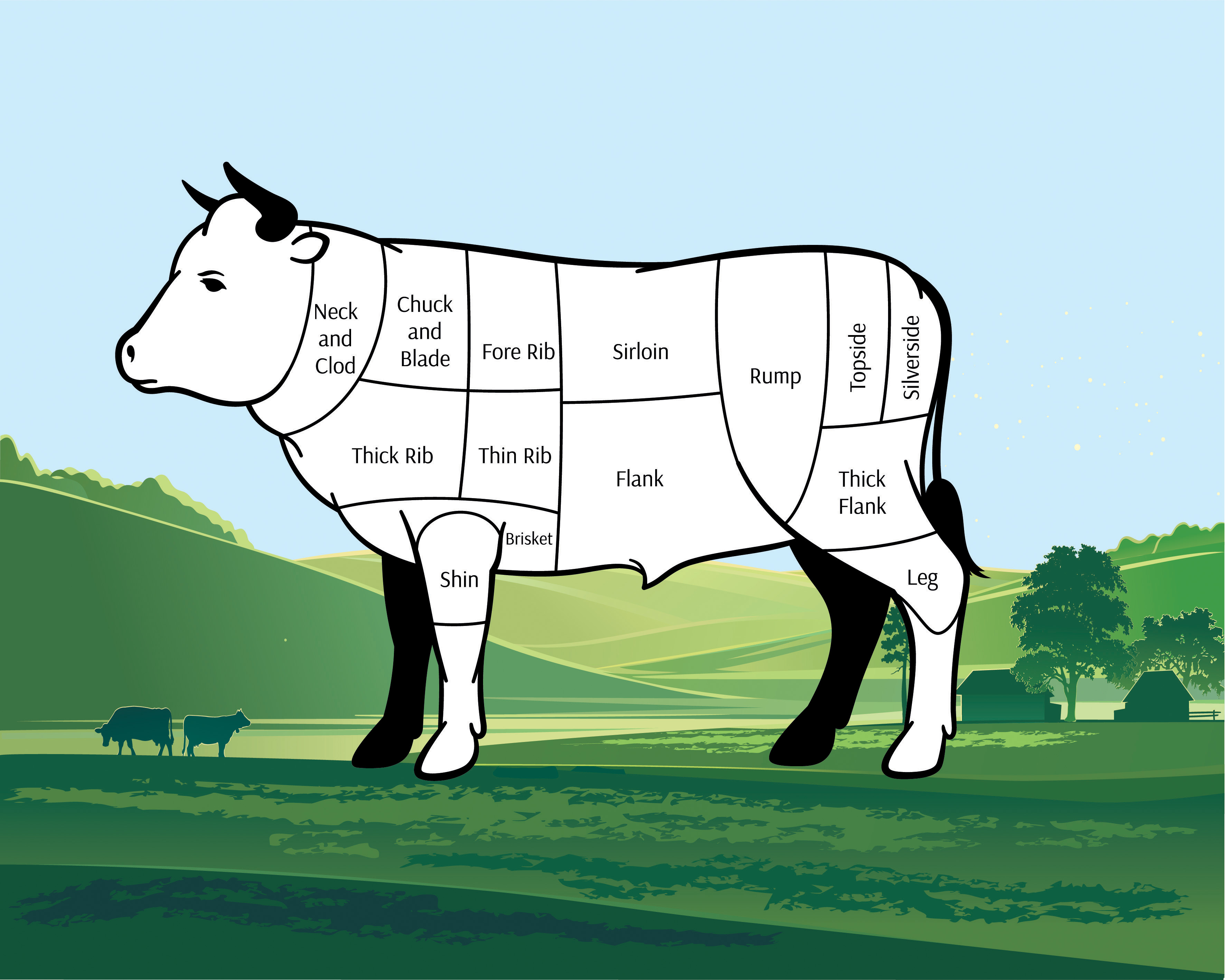
Beef cuts guide:

Neck and Clod:
This cut is generally sold as stewing steak. Long and slow cooking will release a good flavor and produce tasty gravy or sauce.
Chuck and Blade:
This cut is often sold as Braising Steak. A little more tender than stewing steak. Use in casseroles, stews and to braise. Also Blade steak sometimes known as “Flatiron Steak”.
Fore rib:
Sold “Boned and rolled”, “French trimmed” or “On the bone”. Has good marbling throughout the flesh and with excellent fat cover on the outside making for a superb roast. Can also be cut into steaks”Ribeyes” for grilling, frying or BBQ.
Thick rib:
Typically sold as Braising Steak. This cut is somewhat more tender than stewing steak. Ideal for use in casseroles, stews and for braising.
Thin rib:
One of the denser cuts and is usually sold as mince (ground beef) meat.
Shin and leg:
Generally sold as Stewing Steak. Best suited for long, slow cooking to breakdown the high proportion of connective tissues and denser fibers and make thick sauces and gravy.
Brisket:
Usually sold “boned and rolled” and sometimes salted. This joint is suitable for slow cooking or pot roasting. Brisket is the cut traditionally used for making corned beef. It is also used for lean mince.
Thick flank:
This joint is also known as Top Rump good for slow roasting as a joint or braised in pieces. Also sold as “stir fry” strips or flash fry steak.
Flank:
Meat from this area is often known as “Skirt”,” Hanger steak”. It has plenty of fat marbling which makes it moist and flavorsome. This cut is often used in Mexican recipes such as Fajitas. Good for grilling, frying or the BBQ.
Sirloin:
This is typically sold boned and rolled. A prime cut which is suitable for a classic roast. Sirloin Steak comes from the same area but cut into steaks such as “T”-bone, Porterhouse and Entrecote. Prime cuts which are suitable for grilling, frying, stir-fries and barbecuing.
Beef Fillet also comes from this section. Probably the most praised cut of beef, the fillet is very tender and very lean, as a steak it is suitable for quick cooking under the grill or frying. Larger pieces are used for dishes such as Beef Wellington. Other names for cuts of fillet include Filet Mignon, Tenderloin, Tournedos and Chateaubriand.
Rump:
Although this is a prime cut. However many say that it has a far superior flavor than sirloin or fillet. Rump is suitable for quick cooking such as frying, stir-fry, grilling or the barbecue.
Topside and Silverside:
Silverside was traditionally salted and sold as a boiling joint or salt beef. This very lean piece of meat is now most often sold unsalted as a joint for roasting. We recommend regular basting whilst cooking. Topside is also a very lean joint and, often has a layer of fact tied around it to help baste and keep it moist. This is also suitable cut into steaks for frying or grilling and in stir-fries.
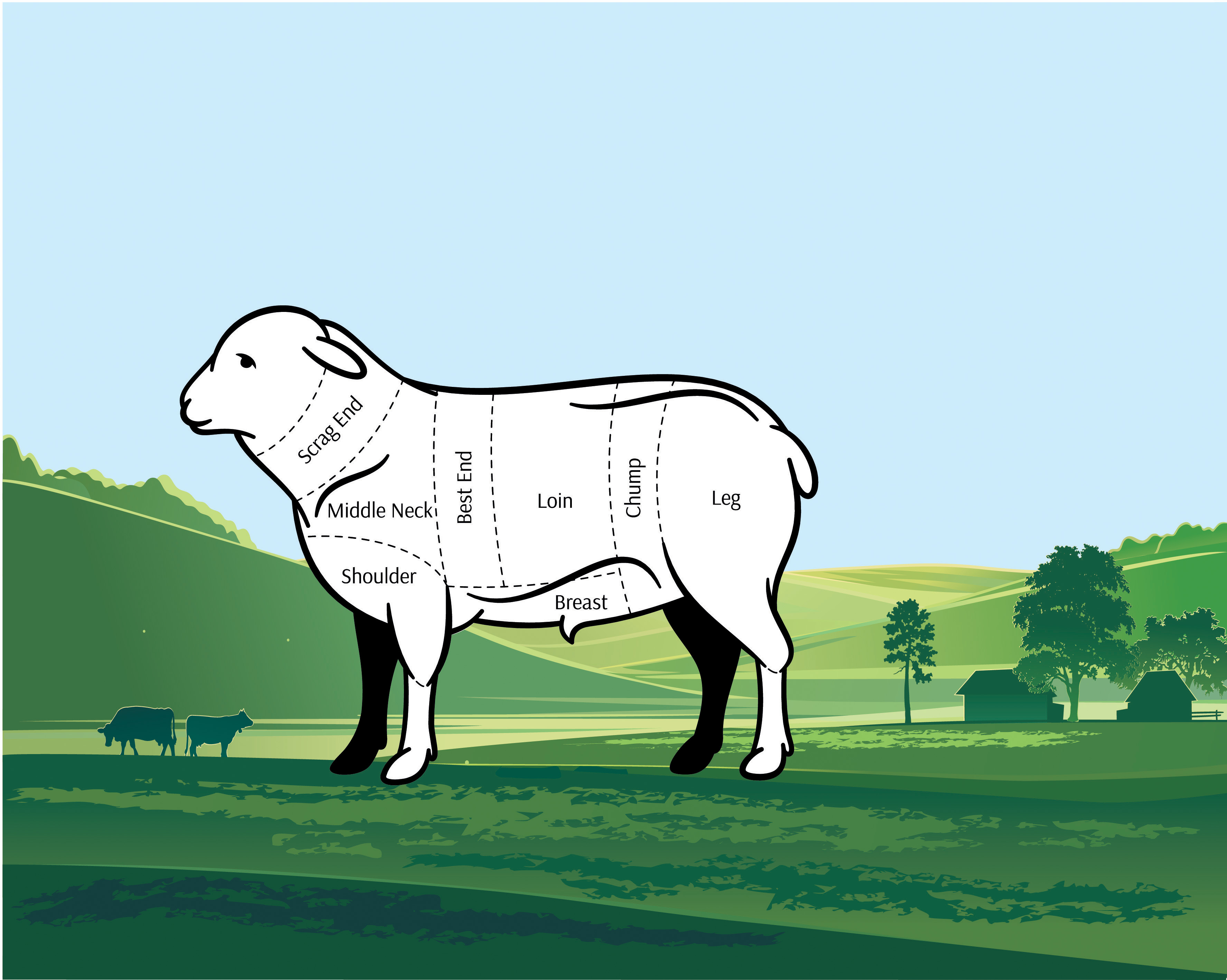
Lamb cuts guide:

Scrag end or neck (and middle neck):
When cut into thick slices this bony part of the neck, it is very tasty and good for slow cooking. Also from this section are Neck Fillets – the same muscles but taken off the bone. Stew or braise until tender.
Shoulder:
Lamb shoulder is usually sold whole or halved on the bone. This part of the animal has worked hard so is better for slow roasting to break down any fibers to be really tender, Shoulder is also sold boned and rolled for roasting or diced for casseroles, curries or stewing. Minced lamb is also taken from this section of the animal.
Best end:
This section produces some of the most tender cuts of Lamb. Best End is the first eight ribs which are known as “The Rack”. The Rack can be cut in several ways. If the ends of the bones are exposed after the fat has been trimmed away it is termed “French Trimmed”.
A rack of Lamb can also be trimmed and tied into a circle to form a “Crown of Lamb” – a most impressive roast to serve at your table.
Loin:
This portion provides Loin Chops for grilling or frying, similarly a Barnsley Chop – which is double the size being both sides of the animal. Off the bone this section provides Noisettes or in one piece a Cannon. These are all very tender and will cook quickly.
Chump:
At the lower back of the animal where the loin meets the leg is known as the Chump. From here you can get Chump Chops and Chump Steaks. As a whole piece off the bone this is called a Chump Joint. All these are good for grilling and BBQ but can also be delicious if baked slowly in the oven.
Breast:
This is the belly area of the Lamb. This is usually sold as a rolled joint for roasting. It is a quite fatty cut but when slow cooked this melts away to leave a tender and very tasty meat. This is one of the best value, least expensive cuts.
Leg:
Whole, half or boned Leg of Lamb will make a perfect roast. For grilling and frying or the BBQ Leg of lamb is often sold as Leg Steaks, stir fry strips, or cubed for kebabs. A leg of lamb that has been ‘Butterflied”’ is a boned leg opened up into a large flat piece which has a rough butterfly shape. This too can be roasted or grilled.
The lower leg from this section is Lamb Shank. As a harder working part of the animal this needs slow cooking or braising; full of flavor it will become very tender and fall off the bone when cooked in this way.
If you like this post give it some likes and shares to spread the joy. Don’t forget to like marmite et ponpon facebook page and follow on twitter. More interesting posts are yet to come.

 There is no better reward than this juicy flaky salmon baked to perfection and presented with the co-star avocado sauce.
 Preheat your oven to 200°C. Season two salmon fillets with salt (i was preparing a meal for two, you can adjust the ingredients depending on how many persons you are serving). Line your baking dish with a large piece of foil and place them. Squeeze half a lemon to drizzle juice over the fillets and cut the other half in rondelles to place on top as well. Wrap the edges of the foil to keep the salmon moist! Bake for about 15-20 minutes or until flaky and tender.
 For a perfect meal you can serve with mashed potatoes, rice or pasta. I prefer mashed potatoes!
 There are so many reasons to get excited about food, salmon and avocado sauce is one of them! It’s a winner for certain 🙂












 marmite et ponpon